
19 Aug 2026
Men’s Clothing Display Ideas for Modern Stores
Discover modern men’s clothing display ideas using garment racks, organized sections, colour coordination, and stylish displays to create an attractive and easy-to-shop store.
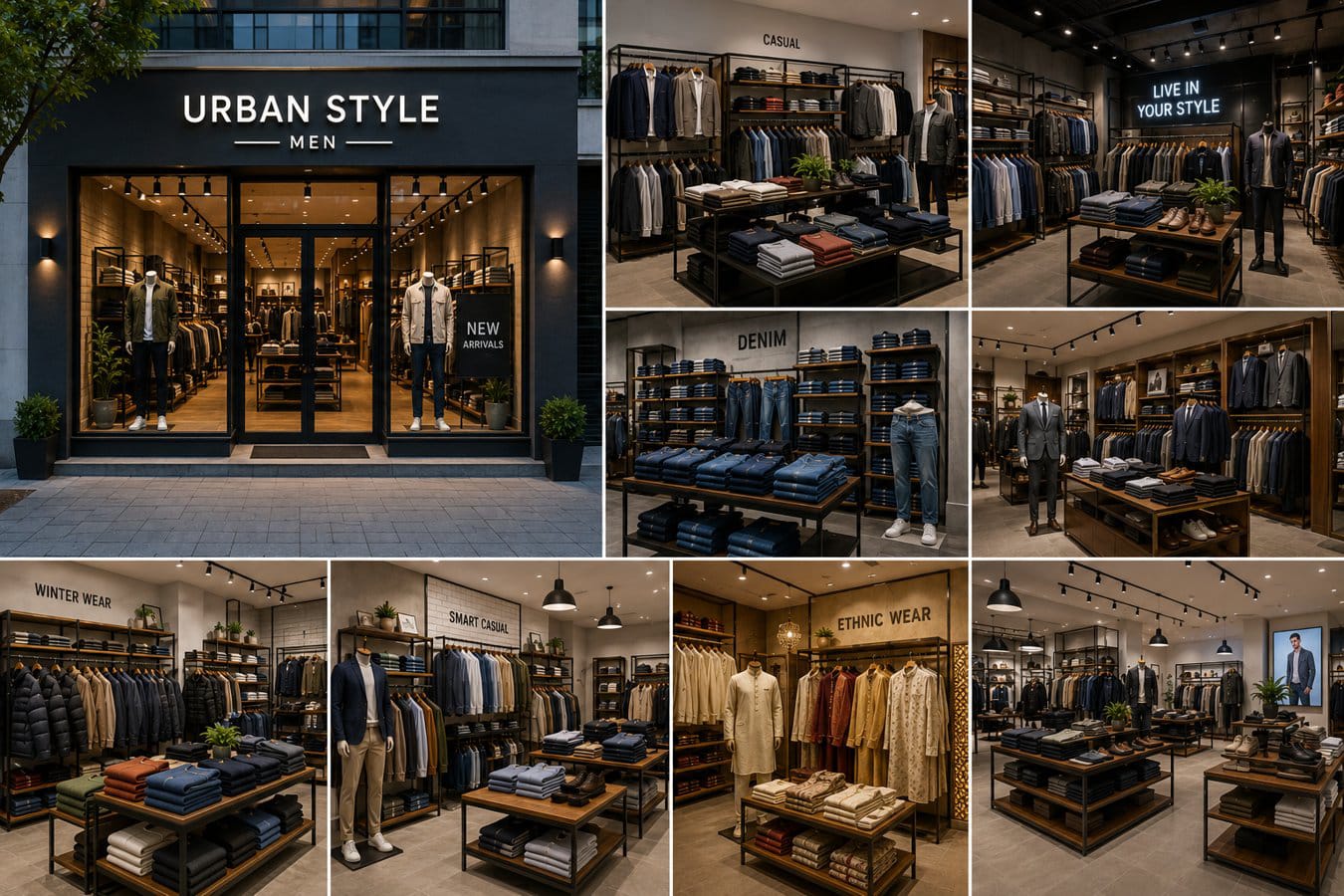
A modern men’s clothing store is not only about having good-quality clothes. A clean and well-planned men’s clothing display helps customers find products easily, compare styles, and understand how different pieces can be worn together.
For modern fashion stores, clothing display racks create an attractive retail environment. Industry guidance on menswear merchandising also recommends using hanging displays for shirts and T-shirts, while folded displays can work well for denim and other products.
1. Use Garment Racks for Everyday Clothing
A garment rack is one of the most useful fixtures in a men’s clothing store. It allows customers to browse several products without opening drawers or searching through shelves.
Use garment racks for:
-
T-shirts
-
Casual shirts
-
Formal shirts
-
Jackets
-
Blazers
-
Trousers
-
Jeans
-
Seasonal clothing
For a modern appearance, avoid overcrowding the rack. Leave enough space between garments so customers can easily see the fabric, colour, pattern, and design.
2. Create a Strong Entrance Display
The entrance is one of the first areas customers notice. Instead of filling the entrance with too many products, create a simple men’s fashion store display featuring your best or newest collection.
You can place:
-
A mannequin wearing a complete outfit
-
A stylish clothing rack
-
New arrival signage
-
A small display table
-
Seasonal products
-
Matching accessories
A strong entrance display gives customers an immediate idea about your store's style and encourages them to explore further. Modern menswear stores often use entrance displays to introduce new collections and create a clear transition into the main shopping area.
3. Arrange Clothes by Category
One of the easiest clothing store display ideas is to divide products into clear categories.
For example:
Formal Wear:
Shirts, trousers, blazers, suits, and formal accessories.
Casual Wear:
T-shirts, casual shirts, jeans, and casual trousers.
Winter Wear:
Jackets, sweaters, hoodies, and coats.
Traditional Wear:
Kurtas, Nehru jackets, and other ethnic clothing.
When customers can immediately understand where each category is located, shopping becomes easier. Clear product zoning is an important part of effective visual merchandising because it helps shoppers navigate the store without confusion.
4. Try Colour-Based Clothing Displays
Colour coordination can make a men’s clothing display look much more attractive. Instead of randomly mixing colours, arrange similar shades together. For example:
-
White and light blue shirts
-
Black and grey trousers
-
Blue and dark denim
-
Neutral-coloured jackets
-
Seasonal colours in a separate section
Colour blocking can make a rack look cleaner and help customers quickly compare different colour options.
5. Display Complete Outfits Together
Customers often want to know how individual pieces can be combined. Instead of displaying every product separately, create a complete outfit display.
For example:
Office Look:
Formal shirt + trousers + belt + shoes
Casual Look:
T-shirt + jeans + sneakers
Winter Look:
Shirt + jacket + trousers
Cross-merchandising can help customers visualize an outfit and discover additional products.
6. Add Folded Clothing Displays
Not every product needs to be hung. Folded clothing can create visual variety and make the store look more organized.
Use display tables or shelves for:
-
Jeans
-
T-shirts
-
Sweaters
-
Sweatshirts
-
Casual trousers
-
Track pants
Arrange folded products according to colour, size, style, or collection. Denim, for example, can work particularly well in neatly stacked displays.
Keep the stacks neat and avoid making them too high. Customers should be able to see the products without disturbing the entire display.
7. Create a Dedicated Denim Section
Jeans are an important part of many men’s clothing stores, so giving denim its own display area can make browsing easier.
You can arrange jeans according to:
-
Colour
-
Fit
-
Waist size
-
Style
-
Brand
-
Price range
Use shelves for folded jeans or display selected pairs on hangers. Menswear merchandising guidance specifically notes that denim can be effectively stacked by design, colour, and size, while selected pieces can be highlighted on mannequins.
8. Make the Most of Small Store Spaces
Not every clothing retailer has a large showroom. If you have a small men’s clothing store, use your available space carefully.
Try:
-
Wall-mounted rails
-
Vertical shelves
-
Compact garment racks
-
Double-rail racks
-
Folded displays
-
Corner displays
-
Small feature tables
Avoid placing too many large fixtures in the centre of the store. Customers need enough space to walk around and browse comfortably.
A modern menswear store should balance product capacity with open circulation rather than trying to fill every available area with merchandise.
9. Add Accessories Near Clothing
Accessories should not always be kept in a separate area. Place complementary products close to the clothing they match.
For example:
Shirts: belts, ties, and watches
Jackets: scarves and bags
Casual wear: caps and sneakers
Formal wear: ties, belts, and formal shoes
This is a simple visual merchandising idea for clothing stores that can help customers see the complete outfit rather than just one product.
10. Keep Sizes Clearly Organized
A beautiful clothing rack can quickly become difficult to shop if sizes are mixed together. Arrange garments systematically according to size, such as:
S → M → L → XL → XX
You can also use small-size labels on racks or shelves. Clear size organization reduces the time customers spend searching for their preferred size.
For some menswear displays, merchandise can also be arranged in ascending size order to make browsing easier.
11. Refresh Displays Regularly
A store should not look exactly the same every month. Change your clothing display ideas according to new arrivals, seasons, festivals, offers, and customer demand.
For example:
Summer: T-shirts, polos, and lightweight shirts
Monsoon: Casual shirts, quick-dry clothing, and practical footwear
Winter: Jackets, sweaters, and hoodies
Festive season: Ethnic wear, formal wear, and occasion clothing
Regularly changing the front display also gives returning customers something new to notice.
12. Choose the Right Garment Rack for Your Store
The right clothing display rack should match your store size, product range, design style, and expected stock.
Consider:
-
Rack size
-
Number of rails
-
Weight capacity
-
Material
-
Finish
-
Mobility
-
Shelf requirements
-
Available floor space
-
Type of garments being displayed
For a modern store, metal garment racks can provide a clean and contemporary appearance. Wood-and-metal combinations can create a warmer premium look.
The important thing is to select a rack that provides both attractive presentation and practical everyday use.
13. Create a Modern Minimalist Display
Modern stores often benefit from a simple display rather than an overcrowded one.
Use:
-
Clean clothing racks
-
Neutral backgrounds
-
Consistent hangers
-
Simple signage
-
Well-spaced garments
-
Focused lighting
-
Limited decorative elements
A modern menswear store in Delhi, for example, can use combinations of metal, wood, open shelving, and hanging rails to create a clean appearance while maximizing product visibility.
14. Make Your Display Easy to Maintain
A display should look good throughout the day, not just when the store opens.
Staff should regularly:
-
Rehang returned clothes
-
Refold folded products
-
Arrange sizes
-
Remove empty hangers
-
Straighten racks
-
Replace misplaced products
-
Clean shelves and racks
Regular maintenance keeps the store looking professional and makes customers more comfortable while shopping.
Why Good Men’s Clothing Display Matters
A good men’s clothing store display does more than make the shop attractive. It helps customers understand the collection, find products faster, compare options, and imagine complete outfits.
Garment racks are especially important because they provide an efficient way to display hanging apparel while keeping products accessible for browsing.
A successful store therefore needs a combination of attractive design and practical organization. The goal should not simply be to display as many clothes as possible. Instead, every rack, shelf, table, mannequin, and wall fixture should have a clear purpose.
People Also Ask about these Questions
What is the best way to display men's clothing in a store?
The best approach is to combine garment racks, wall displays, folded clothing tables, mannequins, and clear category sections. Arrange products by type, colour, size, and collection so customers can browse easily.
How do I make my men's clothing store look modern?
Use clean garment racks, consistent hangers, simple signage, good lighting, open walking space, coordinated colours, and complete outfit displays. Avoid overcrowding the store.
Which rack is best for a men's clothing store?
The best rack depends on the store layout and products. Single-rail, double-rail, 2-way, 4-way, round, and wall-mounted garment racks can all be useful for different types of clothing displays.
How should men's clothes be arranged in a store?
Separate clothing into categories such as formalwear, casualwear, denim, winterwear, and ethnicwear. Within each section, organize garments by colour, style, and size.
How can I display clothes in a small shop?
Use vertical wall displays, compact garment racks, double-rail racks, shelves, and folded clothing tables. Keep the central walking area open to make the store feel less crowded.
How can clothing displays increase sales?
An organized display makes products easier to find and helps customers understand how different pieces can be combined. Complete outfit displays and cross-merchandising can also encourage customers to consider additional products.
FAQs
1. How many clothes should be placed on one garment rack?
There is no fixed number because it depends on the rack size and garment thickness. Avoid overcrowding and leave enough space for customers to separate hangers comfortably.
2. Should men's shirts be hung or folded?
Shirts can be hung when you want customers to see their design, colour, pattern, and shape clearly. Some casual shirts can also be folded on shelves or display tables.
3. How do I display jeans in a clothing store?
Jeans can be folded and stacked according to colour, fit, and size. Selected pairs can also be hung or placed on mannequins to create an attractive outfit display.
4. Are garment racks important for modern clothing stores?
Yes. Garment racks provide accessible storage and display space while helping customers browse clothing quickly. Different rack styles can also be used to create separate product zones.
5. How often should clothing displays be changed?
Displays can be refreshed whenever you introduce new collections, seasonal products, promotions, or special offers. Even small changes can make the store feel fresh to returning customers.
6. What should I consider when buying a clothing display rack?
Consider the rack's dimensions, material, weight capacity, design, mobility, number of rails, and the type and quantity of clothing you need to display.
From garment racks and wall displays to colour coordination and complete outfit displays, the right fixtures can improve product visibility and make better use of store space. JBM Mart offers practical and stylish garment display solutions that can help clothing stores, boutiques, fashion showrooms, and retail outlets create an organized and professional shopping environment.